

| Map | Mode | Heroes | Title | Tier | Player | Platform | Rating | Added | |||||||||||||||||||||||||||||||||||||||||||||||||||||||||||||||||||||||||||||||||||||||||||
|---|---|---|---|---|---|---|---|---|---|---|---|---|---|---|---|---|---|---|---|---|---|---|---|---|---|---|---|---|---|---|---|---|---|---|---|---|---|---|---|---|---|---|---|---|---|---|---|---|---|---|---|---|---|---|---|---|---|---|---|---|---|---|---|---|---|---|---|---|---|---|---|---|---|---|---|---|---|---|---|---|---|---|---|---|---|---|---|---|---|---|---|---|---|---|---|---|---|---|---|
 Watchpoint: Gibraltar Watchpoint: Gibraltar |  Competitive role queue |   | Old Tank Player Coming Back To The Game |   |  Jake Jake |  | 1 | 53 | 01:11 5th Oct 2026 | ||||||||||||||||||||||||||||||||||||||||||||||||||||||||||||||||||||||||||||||||||||||||||
 Lijiang Tower Lijiang Tower |  Unranked 6v6 quick play |  | Overwatch: Season 4 - Lijiang Tower (Unranked: 6v6 Quick Play - Open Queue as Tracer: October 3rd - 2026) |  Illusionist Illusionist |  | 0 | 17 | 04:08 5th Oct 2026 | |||||||||||||||||||||||||||||||||||||||||||||||||||||||||||||||||||||||||||||||||||||||||||
 King's Row King's Row | Competitive role queue |  | òmg SUCH a goated clutch last second |  |  Ben Ben |  | 0 | 35 | 11:11 4th Oct 2026 | ||||||||||||||||||||||||||||||||||||||||||||||||||||||||||||||||||||||||||||||||||||||||||
| Hollywood | Unranked 6v6 quick play | | Overwatch: Season 4 - Hollywood (Unranked: 6v6 Quick Play - Open Queue as Tracer: October 2rd - 2026) | Illusionist | | 0 | 36 | 11:00 4th Oct 2026 | |||||||||||||||||||||||||||||||||||||||||||||||||||||||||||||||||||||||||||||||||||||||||||
| Rialto | Competitive role queue |   | Defense 100 |   |  Mojojojaro Mojojojaro | | 90%(1) | 0 | 35 | 11:31 4th Oct 2026 | |||||||||||||||||||||||||||||||||||||||||||||||||||||||||||||||||||||||||||||||||||||||||
 Esperança Esperança | Competitive role queue | 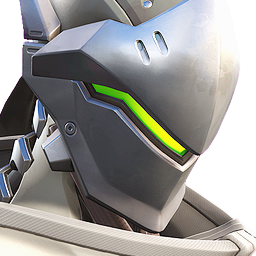 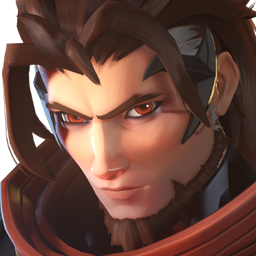 | sometimes you just need a little lock in |  |  Xneonreal Xneonreal | | 0 | 23 | 05:29 5th Oct 2026 | ||||||||||||||||||||||||||||||||||||||||||||||||||||||||||||||||||||||||||||||||||||||||||
| Dorado | Competitive role queue | | Holy Peak Cinema | | Mojojojaro | | 0 | 16 | 08:39 5th Oct 2026 | ||||||||||||||||||||||||||||||||||||||||||||||||||||||||||||||||||||||||||||||||||||||||||
| Neon Junction | Competitive role queue | | Neon junction defense | | Mojojojaro | | 0 | 21 | 11:34 4th Oct 2026 | ||||||||||||||||||||||||||||||||||||||||||||||||||||||||||||||||||||||||||||||||||||||||||
| Runasapi | Unranked quick play |  | Gonna miss hacking Mercy rez |  Django Django | | 1 | 21 | 10:31 4th Oct 2026 | |||||||||||||||||||||||||||||||||||||||||||||||||||||||||||||||||||||||||||||||||||||||||||
| Samoa | Competitive role queue | | dva |  |  Takt Takt | | 0 | 16 | 12:56 5th Oct 2026 | ||||||||||||||||||||||||||||||||||||||||||||||||||||||||||||||||||||||||||||||||||||||||||